water_dropCentex Outdoor Solutions
Soggy Yard Drainage

Soggy Yard Drainage for Wet Lawn Areas

A soggy yard can come from surface runoff, saturated soil, poor grade, roof water, or several small sources at once. The right drainage plan should separate what is moving over the surface from what is staying in the soil.
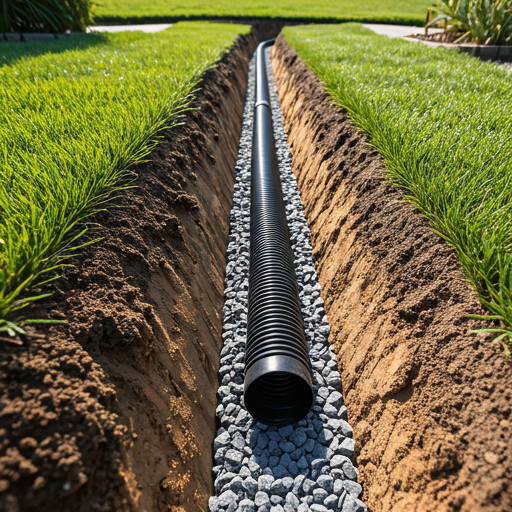
Soggy yard drainage work beside turf

Problem signs

What This Page Helps Solve

These are the homeowner-visible symptoms this drainage service should speak to clearly.

Soft Turf
Grass that stays soft or rutted after rain can point to poor drying or constant runoff.
Slow Drying Soil
Clay-heavy or compacted soil can keep water near the surface longer than expected.
Runoff Feeding the Lawn
Downspouts, patios, and slope can keep sending water into the same lawn section.

Approach

Drainage Options to Consider

The right answer may be a French drain, grading, a catch basin, downspout routing, a swale, or a combination.

Surface Flow Review
Check whether water is crossing the lawn before it soaks in.
Subsurface Drainage Check
Consider a French drain when saturated soil is the actual issue.
Roof Runoff Control
Route downspouts away from lawn sections that already dry slowly.

Related pages

Keep Exploring Drainage Services

Internal links keep the drainage niche clear and help visitors move between closely related problems.

Request a Soggy Yard Drainage Quote
Share where the lawn stays wet, how long it takes to dry, and photos from after rain so the drainage options can be narrowed down.

Photos during or after rain are useful later, but not required for this first request.

Turnstile is not configured locally. Production should set NEXT_PUBLIC_TURNSTILE_SITE_KEY and TURNSTILE_SECRET_KEY.

FAQ

Questions Homeowners Ask

The copy stays practical and avoids unsupported guarantees.

Request a Soggy Yard Drainage Quote

Share where the lawn stays wet, how long it takes to dry, and photos from after rain so the drainage options can be narrowed down.